Traveling is one of life’s greatest pleasures. Whether you’re planning a relaxing beach vacation, a European adventure, a family getaway, or a long-awaited business trip, you want to feel comfortable and confident every step of the way.
However, if you experience varicose veins, leg swelling, aching, heaviness, or discomfort after sitting or standing for long periods, traveling can sometimes make those symptoms more noticeable. That’s why planning ahead and discussing your vein health with a qualified medical professional before your next trip may be an important part of preparing for a comfortable journey.
How Travel Can Affect Your Vein Health
Long flights, extended car rides, and hours spent sitting in one position can slow blood flow in the legs. When blood has difficulty returning to the heart, it can contribute to leg swelling and discomfort.
For people with underlying vein conditions, prolonged travel may make existing symptoms more noticeable, including:
-
Aching, throbbing, or heaviness in the legs
-
Swelling around the ankles and lower legs
-
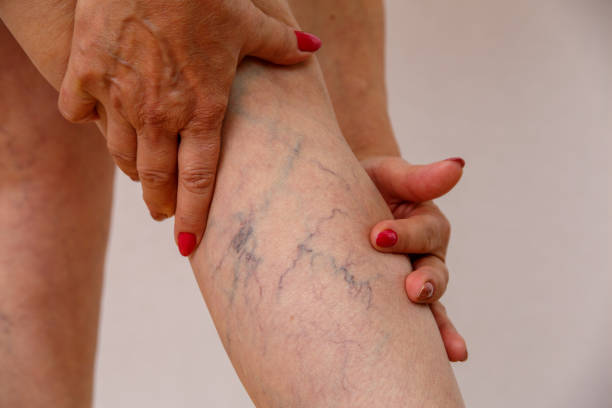
Visible varicose or spider veins
-
Leg fatigue after sitting or standing
-
Discomfort that worsens toward the end of the day
Long periods of immobility can also increase the risk of developing a blood clot, known as deep vein thrombosis (DVT). Although travel-related clots can affect anyone, certain medical conditions and personal risk factors can increase the likelihood.
The takeaway? If your legs have been bothering you, consider making vein health part of your travel preparation.
Why Consider Vein Treatment Before Traveling?
If you have symptoms of venous disease, scheduling a vein evaluation before your trip can help you understand what’s causing your discomfort and which treatment options may be appropriate.
Depending on your condition, a vein specialist may recommend lifestyle changes, compression therapy, or a minimally invasive procedure.
Modern vein treatments may include endovenous laser treatment, radiofrequency ablation, or other procedures designed to treat problematic veins. The appropriate option depends on your symptoms, medical history, and ultrasound findings.
Potential benefits of treating symptomatic vein disease include:
-
Improved comfort: Treatment may help reduce aching, heaviness, and other symptoms caused by venous insufficiency.
-
Less swelling: Addressing the underlying vein problem may help improve venous circulation and reduce swelling in some patients.
-
Greater confidence: Treating prominent varicose veins may improve their appearance.
-
Better long-term vein health: Appropriate treatment can help manage the underlying condition and reduce the risk of certain complications.
Results vary, and treatment does not eliminate every cause of leg discomfort or prevent travel-related blood clots in every patient.
When Should You Schedule Vein Treatment Before a Trip?
Timing matters when planning a medical procedure around your vacation.
Although many modern vein treatments are minimally invasive, recovery recommendations vary depending on the procedure, your health, and the length and type of travel planned.
Some patients can return to normal daily activities relatively quickly, but that does not automatically mean they are ready for a long flight or an extended road trip.
Before scheduling treatment, tell your vein specialist:
-
Your departure date and destination
-
Whether you will be flying or driving
-
How long you expect to sit during the journey
-
Whether you have a history of blood clots or other risk factors
-
What activities you plan to enjoy during your vacation
Your provider can help determine whether treatment should take place before your trip, whether additional recovery time is needed, or whether it would be safer to schedule treatment after you return.
Avoid scheduling a vein procedure immediately before a major trip without discussing the timing with your provider. Travel restrictions and recovery instructions can differ from one treatment to another.
Tips for Keeping Your Legs Comfortable While Traveling
Whether you have already received vein treatment or are still exploring your options, a few practical steps can help support healthy circulation during travel.
1. Keep Moving
During long flights or car rides, take regular breaks to stand, walk, and stretch when it is safe to do so. On a flight, walk the aisle periodically when permitted. If you are driving, stop regularly to stretch your legs.
2. Exercise Your Legs While Seated
Try ankle circles, heel raises, and alternating foot movements to encourage circulation when you cannot get up.
3. Stay Hydrated
Drink water regularly throughout your journey. Staying hydrated supports your overall health, although hydration alone does not prevent blood clots.
4. Ask About Compression Stockings
Compression stockings may be appropriate for some travelers, particularly those with certain vein conditions or clotting risks. Ask your healthcare professional whether they are suitable for you and what compression level to use.
5. Know Your Personal Risk Factors
A previous blood clot, recent surgery, certain medical conditions, pregnancy or the postpartum period, and other factors may increase your risk of DVT. If you have elevated risk, ask your clinician whether you need additional preventive measures when traveling.
Do not start aspirin or blood-thinning medication solely to prevent travel-related clots unless your healthcare professional recommends it.
When Leg Symptoms Need Immediate Attention
While planning for vein treatment can improve your understanding of your vein health, it is important not to overlook warning signs.
Seek urgent medical evaluation if you develop new or unexplained swelling, pain, warmth, or redness in one leg, especially after prolonged travel. These symptoms can indicate DVT and should not be assumed to be ordinary varicose vein discomfort.
If you experience sudden shortness of breath, chest pain, coughing up blood, or fainting, seek emergency medical care immediately.
Make Vein Health Part of Your Travel Checklist
Before packing your bags, take a moment to consider how your legs feel. If varicose veins, swelling, or aching have been affecting your daily routine, a vein evaluation may be a worthwhile step toward understanding your symptoms and planning appropriate care.
With the right medical guidance, you can make informed decisions about treatment timing, recovery, and travel precautions.
Your next vacation should be an opportunity to explore new places, make memories, and enjoy the journey—not spend the entire time worrying about uncomfortable legs and if they need vein treatment.
Planning a trip soon? Schedule a vein consultation to discuss your symptoms, treatment options, and whether treatment before departure is right for you. A little planning today can help you travel with greater peace of mind.
Disclaimer: This article is for educational purposes only and is not a substitute for personalized medical advice. Vein treatment and travel recommendations should be based on an individual medical evaluation.