Migraines are far more than bad headaches. This neurological condition can bring intense, throbbing pain along with nausea, and heightened sensitivity to light and sound, often disrupting work, sleep, and daily routines. While medications remain a cornerstone of migraine management for many people, others look for complementary approaches to support their overall treatment plan.
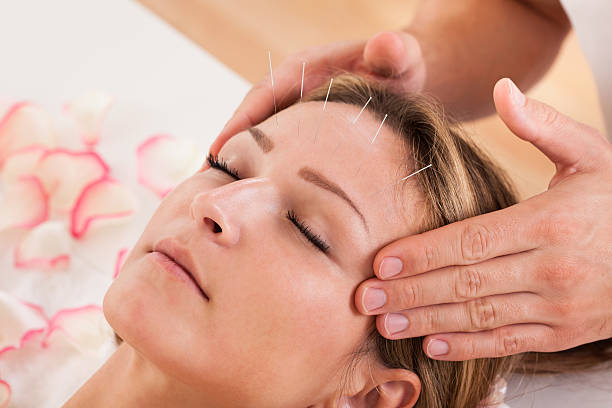
One such approach is acupuncture, a traditional Chinese medicine practice that involves inserting fine needles at specific points on the body. For those exploring acupuncture for migraines, it’s worth understanding what this practice involves, what research suggests, and what realistic expectations look like. Acupuncture may help reduce migraine frequency or severity for some people, though results vary from person to person, and it isn’t a guaranteed solution.
Understanding Migraines and Their Impact on Daily Life
Migraines differ from ordinary headaches in both intensity and the range of symptoms they produce. Beyond throbbing head pain, many people experience nausea, visual disturbances, and heightened sensitivity to light. These episodes can be triggered by stress, disrupted sleep, hormonal fluctuations, or certain environmental factors like bright lights or strong odors.
For people who experience migraines regularly, the effects extend well beyond the headache itself. Recurring episodes can interfere with work performance, strain family responsibilities, and chip away at overall quality of life. This is often why individuals begin searching for complementary therapies to use alongside their conventional medical treatment, hoping to find additional tools for managing their symptoms.
How Does Acupuncture for Migraines Work?Understanding the Traditional Approach
Acupuncture involves the use of fine, sterile needles placed at selected points on the body. In a typical practice, a treatment plan is personalized based on an individual’s specific symptoms, health history, and goals. This individualized approach is part of what distinguishes acupuncture from more standardized treatment protocols.
What Research Suggests
Some research suggests that acupuncture may reduce migraine frequency for certain individuals, particularly when it’s used as a preventive strategy rather than a treatment for active episodes. Researchers continue to study how acupuncture might influence pain processing, nervous system activity, and the body’s response to stress.
It’s important to approach these findings with realistic expectations. Results vary significantly between individuals, and acupuncture should not be viewed as a guaranteed cure. Claims that acupuncture permanently eliminates migraines or works universally for everyone aren’t supported by current evidence.
Potential Benefits of Acupuncture for Migraine Management
For people who respond well to it, acupuncture may offer several potential benefits:
- Reduced migraine frequency: Some individuals report fewer migraine days following a course of treatment.
- Pain management support: Acupuncture may serve as an additional approach to managing headache-related discomfort.
- Relaxation: Sessions often take place in a calming environment that may help individuals manage stress, a common migraine trigger.
- A complementary option: Acupuncture can be considered alongside a healthcare professional’s recommended migraine treatment plan, rather than as a replacement.
- Individualized care: Practitioners can tailor treatment plans to a person’s specific symptoms, preferences, and health history.
It bears repeating that acupuncture is meant to complement, not automatically replace, prescribed medications or other evidence-based treatments.
What to Expect During an Acupuncture Session in Madison
A first appointment typically begins with a conversation about your migraine symptoms, medical history, current medications, and treatment goals. From there, the practitioner places fine needles at selected acupuncture points. Many people experience mild sensations during the session, along with a sense of relaxation, and some may notice temporary soreness afterward.
Depending on individual needs, a practitioner may recommend multiple sessions over time. If you’re in Madison and considering acupuncture, it’s worth discussing a few key details before starting treatment: the practitioner’s qualifications and training, hygiene and needle-sterilization practices, the cost of sessions, and how frequently treatment is typically recommended.
Is Acupuncture a Suitable Option for Everyone?
Whether acupuncture is a good fit depends on personal health circumstances, and this is a conversation best had with a qualified practitioner. If you’re currently taking migraine medication, consult a healthcare professional before making any changes to your treatment plan.
When performed by a properly trained practitioner using sterile, single-use needles, acupuncture is generally considered safe, though side effects can still occur. One important caution: a sudden, unusually severe headache, or a headache accompanied by new neurological symptoms, warrants urgent medical assessment rather than a visit to an acupuncturist.
Explore Complementary Migraine Care in Madison
Managing recurring migraines often means working with a healthcare professional to build a treatment plan that fits your specific needs. Acupuncture is one possible complementary approach worth discussing if you’re interested in exploring additional migraine-management strategies alongside conventional care.
About Acupuncture Herbal MD
Acupuncture Herbal MD offers acupuncture and traditional Chinese medicine services for individuals exploring complementary approaches to wellness. Those interested in acupuncture for migraines in Madison can contact the clinic to learn more about available services, discuss their concerns, and determine whether an individualized acupuncture treatment plan may be appropriate for their needs.
Finding the Right Approach for You
Migraine management often involves combining multiple approaches tailored to individual needs rather than relying on a single solution. Acupuncture may provide additional support for some people, particularly when it comes to reducing migraine frequency, but outcomes vary from person to person. As you consider your options, talk with a qualified healthcare professional and weigh evidence-based treatments as you build a long-term plan for managing your migraines