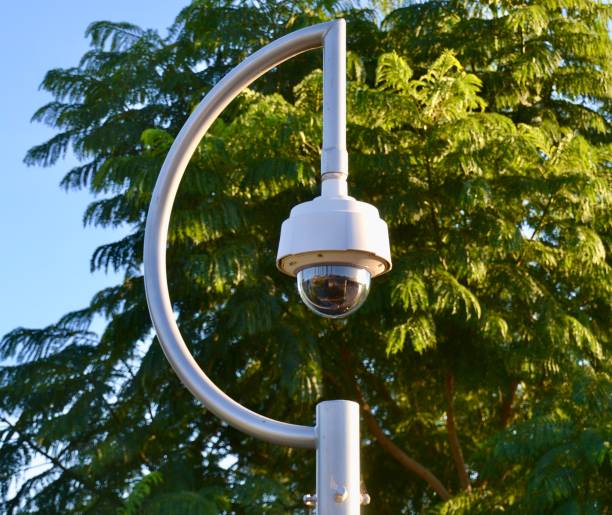
Maintaining continuous surveillance is one of the most effective ways to safeguard residential and commercial properties against theft, unauthorized access, and operational disruptions. While passive recording systems store footage for post-incident review, continuous active monitoring ensures that potential security breaches are identified and addressed in real time. Combining round-the-clock video feeds with rapid incident response protocols establishes a proactive security posture that drastically reduces response times, minimizes loss, and maintains perimeter integrity across vulnerable locations.
Shifting from Passive Recording to Active Protection
Unmonitored security systems serve primarily as post-event investigative tools. When a burglary, act of vandalism, or safety incident occurs on a property that relies solely on local storage, site managers or property owners typically discover the damage hours or days later. Reviewing archived video footage can help identify suspects or explain how a breach occurred, but it cannot prevent the initial property loss, operational downtime, or repair costs.
Continuous monitoring transforms surveillance from a reactive log into an active defense mechanism. By maintaining constant oversight of camera feeds, monitoring systems ensure that suspicious activity such as loitering around perimeter fences, unauthorized entry into restricted zones outside business hours, or forced door tampering is flagged immediately. This instantaneous detection allows security personnel or automated response protocols to intervene before minor trespassing escalates into major physical damage or theft.
The Operational Mechanics of Continuous Monitoring
Modern continuous monitoring relies on a hybrid architecture that combines advanced video analytics with trained security operators. Unifying software processing with human oversight balances speed, precision, and contextual judgment.
Key components of an active monitoring setup include:
1. Real-Time Edge Analytics: Smart camera software continuously evaluates visual inputs, filtering out ambient movement like wind or passing wildlife while isolating human and vehicular activity.
2. Instant Alert Escalation: When pre-set security rules are violated, high-priority video clips stream directly to a central monitoring dashboard, alerting operators within seconds.
3. Visual Verification: Trained operators review live and pre-buffered video feeds to confirm whether an active security threat is taking place, eliminating false alarms caused by non-threatening events.
4. Direct Intervention: Upon verifying a threat, operators initiate immediate response measures, such as broadcasting live audio warnings through on-site speakers or dispatching emergency services.
Configuring a professional system with reliable 24/7 security camera monitoring ensures that visual coverage remains fully active during night shifts, weekends, and holiday closures when properties are most vulnerable to unauthorized intrusion.
Improving Emergency Response Times
When a security breach takes place, time is the critical variable determining the outcome. Traditional alarm systems that rely on basic door contacts or motion sensors frequently generate unverified alerts. Because law enforcement agencies receive high volumes of false alarm calls, unverified signals are often assigned lower priority, leading to extended police dispatch times.
Video-verified monitoring solves this challenge by providing immediate visual confirmation of a crime in progress. When a central monitoring operator contacts emergency dispatchers with real-time confirmation that an armed or unauthorized intruder is actively on the premises, law enforcement treats the incident as a verified emergency. Priority dispatching drastically reduces officer arrival times, increasing the likelihood of apprehending perpetrators on site and recovering stolen property.
Beyond Intrusion: Protecting Physical Assets and Safety
While crime prevention remains the primary driver for implementing round-the-clock surveillance, continuous monitoring delivers significant operational advantages beyond stopping break-ins.
For commercial facilities, warehouses, and industrial plants, active monitoring supports operational safety and environmental protection.
Environmental Hazard Detection
Cameras equipped with thermal sensors or flame-detection analytics can identify overheating equipment, smoke, or sudden temperature spikes in high-risk zones, alerting site managers to potential fire hazards before traditional sprinkler systems trip.
Perimeter and Access Point Integrity
Monitoring key access points ensures that physical security protocols are upheld. Operators can flag propped-open fire doors, blocked emergency exits, or unauthorized tailgating through secure turnstiles, helping facility managers maintain compliance with safety regulations.
Fraud Prevention and Liability Defense
Continuous coverage of public-facing zones, loading docks, and customer areas provides an indisputable record of events. This immediate visual documentation protects organizations against fraudulent slip-and-fall claims, staged workplace accidents, and false delivery disputes.
Maximizing Coverage for Complete Peace of Mind
Implementing continuous security monitoring eliminates coverage gaps and provides property owners with total visibility over their valuable assets. By pairing continuous visual recording with intelligent threat detection and rapid verification protocols, properties transition from passive recording environments to fully protected sites capable of stopping security incidents in their tracks.