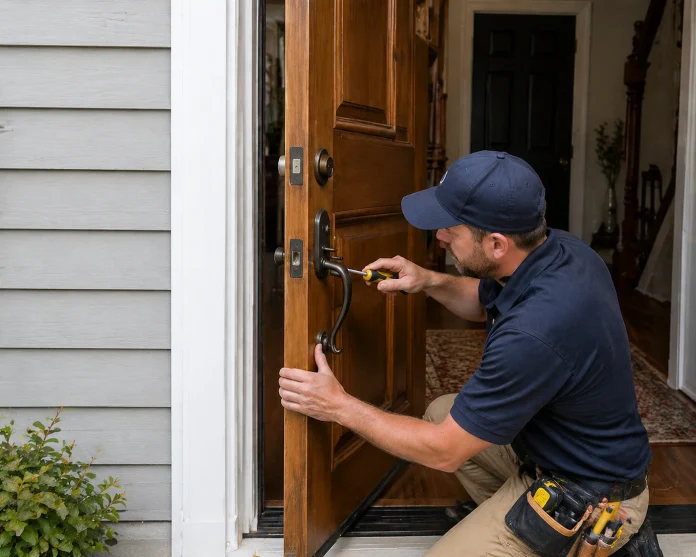
Sliding patio doors are a central architectural feature in modern homes, providing seamless access to outdoor living spaces, natural daylight, and broad exterior views. However, because these door assemblies rely on a continuous mechanical track system to support heavy glass panels, they are exceptionally vulnerable to friction, structural misalignments, and environmental wear. When a sliding door becomes stiff, noisy, or completely stuck, the underlying issue almost always traces back to track degradation or damaged roller assemblies. Addressing these mechanical faults promptly restores smooth operation, protects surrounding structural components, and maintains household energy efficiency and security.
The Mechanical Principles of Sliding Door Assemblies
To diagnose sliding patio door issues effectively, it helps to understand how the components interact within the door frame assembly. A standard sliding patio door does not simply slide directly along a flat metal strip. Instead, it operates on a precise balance of mechanical components:
-
The Raised Track Rail: A narrow, raised stainless steel or aluminum rib running along the bottom threshold that guides the rollers.
-
Tandem Roller Assemblies: Concealed wheel units housed within the bottom rail of the door panel, featuring ball bearings and height-adjustment screws.
-
Top Alignment Guides: Channel tracks at the top header that keep the door panel vertical and prevent tipping.
-
Perimeter Weather Stripping: Interlocking pile or rubber seals that seal gaps when the door is fully closed and latched.
When any one of these components degrades, increased friction distributes weight unevenly across the remaining parts, accelerating overall system failure.
Primary Causes of Track and Roller Degradation
Sliding door tracks endure constant physical impact, dirt buildup, and exposure to seasonal weather changes. Understanding why tracks fail helps homeowners spot problems early and take corrective action before total breakdown occurs.
Accumulation of Debris and Deformed Rails
Because bottom tracks sit directly at floor level, they collect dirt, pet hair, small pebbles, and garden grit. As heavy door panels roll over trapped debris, the rollers press hard particles directly into the soft metal track rail. Over time, this creates divots, pitting, and sharp burrs along the rail. In high-traffic homes, accidental steps directly onto the threshold can also bend or flatten the metal rib, causing the wheels to jump off track or bind repeatedly.
Seasonal Moisture and Corrosion
Exterior door thresholds frequently collect rainwater, snow melt, and condensation. If bottom track weep holes become clogged with dirt, standing water pools around the roller housings and track screws. Metal tracks can oxidize, while internal steel roller bearings rust, freeze, and stop turning entirely. When wheels lock up, users often force the door open, dragging flat, frozen wheels along the metal rail and carving deep gouges into the track surface.
Building Settling and Frame Misalignment
Over time, home foundations naturally shift and settle. This structural movement can compress the patio door outer frame, causing the header or threshold to bow inward. When clearance between the frame and panel narrows, the door slab binds against the side jambs or top guide channels, putting excess downforce on the bottom track and destroying roller height adjustments.
Diagnostic Signs: Identifying Track vs. Roller Issues
Determining whether a patio door requires simple track restoration, roller replacement, or frame realignment depends on observing specific operational symptoms during use.
| Operational Symptom | Probable Mechanical Cause | Primary Corrective Action |
|---|---|---|
| Bumpy or Shuddering Motion | Flat-spotted rollers or dented track rail. | Replace roller units; install stainless steel track cap over rail. |
| Grinding Sound During Movement | Worn ball bearings or grit embedded in roller treads. | Clean track channel; replace degraded tandem roller assemblies. |
| Door Rubs Against Frame Top/Bottom | Loose adjustment screws or sagged door panel. | Adjust roller height screws; realign panel plumbness within frame. |
| Drafts and Latch Misalignment | Frame out of square or worn perimeter weather seals. | Re-shim frame side jambs; replace worn pile weather stripping. |
Step-by-Step Track Repair and Restoration Process
Repairing a sliding patio door track requires specialized tools, heavy lifting, and precise alignment techniques to ensure long-term reliability and smooth sliding performance.
Step 1: Safe Panel Removal and Inspection
Because sliding glass patio doors weigh between 100 and 200 pounds, removing the sliding panel requires two people. Technicians retract the bottom roller adjustment screws to drop the panel down, clear the top guide channel, and carefully lift the door off the track. The exposed track is then thoroughly cleared of old grease, dirt, and debris to reveal any structural deformities beneath.
Step 2: Track Straightening and Surface Dressing
If the track rail exhibits minor bends or wide spots, specialized metal-shaping tools are used to gently hammer or bend the rail back into vertical alignment. Minor burrs and rough spots along the rail top are sanded smooth with fine-abrasive metal files to recreate an even riding surface for new wheels.
Step 3: Installing a Stainless Steel Track Cap
When a metal track rail is deeply gouged, pitted, or split, replacing the entire door frame is rarely necessary. Instead, a custom-fitted stainless steel track cover (or track cap) can be installed directly over the damaged original rail. The cap provides a fresh, ultra-smooth, corrosion-resistant surface that restores effortless rolling and lasts for years.
Step 4: Roller Replacement and Height Calibration
Worn or rusted roller assemblies inside the bottom panel cutouts are removed and replaced with heavy-duty tandem stainless steel or brass ball-bearing units. Once the door panel is reinstalled onto the repaired track, technicians turn the adjustment screws located at the bottom corners to raise or lower the panel until it sits perfectly level, slides smoothly, and locks securely against the side jamb.
Property owners dealing with stubborn, noisy, or jumping patio doors can benefit from professional sliding patio door repair to restore original rolling performance, replace worn track components, and ensure airtight frame seals.
Energy Efficiency and Security Considerations
A neglected sliding patio door is more than just a daily inconvenience; it poses significant risks to home energy conservation and security.
When a door track is misaligned or bent, the door panel cannot slide completely into the side jamb pocket. This leaves a small gap along the vertical edge where heated or cooled indoor air continuously leaks outside. Furthermore, misaligned doors prevent multi-point locks and latch hooks from engaging fully into the keeper plate, making the door vulnerable to forced entry. Restoring track alignment ensures the door seals tightly against weather seals and locks securely every time.
Long-Term Maintenance Best Practices
To prevent future track damage and keep sliding doors operating effortlessly, home dwellers should adopt a routine preventive maintenance plan:
-
Vacuum Track Channels Regularly: Remove sand, pet hair, and dirt from bottom track grooves monthly using a narrow vacuum attachment.
-
Apply Dry Silicone Lubricant: Spray track rails and roller assemblies with a dry silicone lubricant every three to six months. Avoid petroleum-based grease or WD-40, as sticky greases attract dirt and form an abrasive sludge that wears down metal bearings.
-
Clear Exterior Weep Holes: Inspect the small drain slots on the exterior base of the aluminum frame every autumn to ensure rainwater drains away freely rather than pooling on the track.
-
Avoid Stepping Directly on the Rail: Remind household members to step over the raised track rail when entering or exiting to avoid bending the soft metal guide.
By addressing mechanical wear early, keeping track grooves clean, and replacing degraded hardware, property owners can enjoy smooth, secure, and energy-efficient patio door performance for years to come.