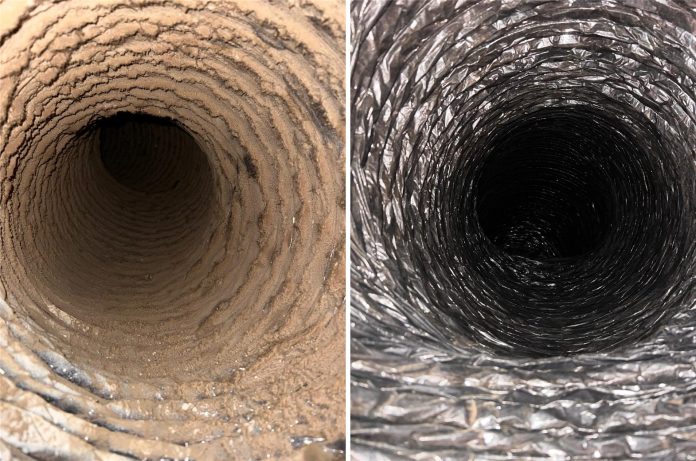
Maintaining a residential heating, ventilation, and air conditioning system requires more than simple filter changes and routine surface dusting. Over years of continuous operation, central air networks accumulate substantial layers of dust, pet dander, microscopic allergens, and particulate debris inside concealed duct runs, plenums, and blower compartments. When homeowners schedule a comprehensive maintenance visit, understanding the exact scope of work performed helps clarify how professional intervention restores indoor air quality and mechanical efficiency.
Unlike quick surface vacuums that only reach the immediate edges of floor registers, a complete ventilation overhaul involves specialized machinery, systematic mechanical agitation, and thorough source removal techniques. Examining each phase of a professional service reveals why specialized equipment is necessary to decontaminate a home’s entire air distribution network safely.
Initial System Inspection and Assessment
Before any physical cleaning begins, professional technicians perform a thorough evaluation of the entire HVAC network. This preliminary inspection establishes the baseline condition of the ventilation system and identifies any structural issues that require special handling.
| Inspection Area | Key Focus Points | Purpose of Assessment |
| Thermostat & System Controls | Operating cycles, airflow responsiveness, zoning dampers | Confirms the climate control system operates correctly before servicing. |
| Return and Supply Registers | Visible lint mats, paint overspray, rust, or pest activity | Maps out the extent of particulate accumulation across different rooms. |
| Plenum & Blower Compartment | Dust build-up on cooling coils, fan blades, and electrical housing | Identifies heavy internal contamination points near the main air handler. |
| Duct Material & Integrity | Flex duct sagging, unsealed joints, torn insulation jackets | Ensures ductwork can withstand negative pressure without structural damage. |
Identifying damaged duct seals or disconnected joints prior to cleaning prevents conditioned air leaks from worsening and ensures that extraction equipment applies balanced negative pressure throughout the home.
The Negative Air Pressure Setup
The cornerstone of professional duct sanitation is the establishment of a powerful negative pressure containment zone. Without this step, dislodging settled dust inside deep duct runs would simply send massive clouds of fine particulate matter swirling into living spaces.
Technicians connect a high-capacity, commercial-grade negative air machine equipped with HEPA filtration directly to the main trunk line, typically near the furnace or air handler. This specialized vacuum unit creates continuous suction throughout the entire network of supply and return branches, pulling air inward toward the collection system.
| Airflow Phase | System Action | Contaminant Control Benefit |
| Containment Isolation | Sealing return and supply registers temporarily | Directs all internal air movement toward the central vacuum source. |
| Negative Pressure Draw | Pulling high-CFM airflow through trunk lines | Captures dislodged debris instantly before it escapes into rooms. |
| HEPA Filtration | Passing extracted air through multi-stage filters | Traps 99.97 percent of microscopic particles down to 0.3 microns. |
| Exhaust Discharge | Venting purified air safely outside the home | Prevents fine dust recirculation within the immediate living environment. |
By maintaining continuous negative pressure, every particle dislodged during the cleaning process travels directly into the collection unit, leaving the home’s indoor air completely protected.
Mechanical Agitation and Debris Extraction
Once negative pressure is established across the entire network, technicians methodically clean every supply and return line using specialized agitation tools designed to break the electrostatic bond holding dust to duct walls.
- Rotary Air Whips: Flexible lines equipped with whipping rubber fingers are fed through duct runs, spinning rapidly under compressed air to knock stubborn debris loose from rigid metal or flexible walls.
- Brushing Systems: Motorized brush heads travel through straight trunk lines, scrubbing interior surfaces clean without tearing or puncturing duct liners.
- Compressed Air Sweep Nozzles: Specialized nozzle attachments deliver high-velocity bursts of air that drive settled dust from hard-to-reach corners and 90-degree elbows toward the main vacuum line.
Working systematically from the furthest register back to the central air handler ensures that all accumulated dust travels downhill and outward into the collection system.
Cleaning the Air Handler, Blower, and Coils
The physical duct network is only one part of the forced-air system. The central air handler unit houses critical mechanical components that require careful cleaning during a comprehensive service visit.
| HVAC Component | Cleaning Method | Operational Benefit |
| Blower Motor & Fan Blades | Manual brushing and vacuuming of dust layers | Restores proper airflow velocity and reduces electrical motor strain. |
| Evaporator Cooling Coil | Specialized coil cleaner and gentle rinsing | Improves thermal transfer efficiency and prevents coil freezing. |
| Main Return Plenum | Sanitizing wipe-down and HEPA vacuum extraction | Eliminates the primary reservoir where household dust and pet dander collect. |
| Condensate Drain Pan | Clearing blockage debris and flushing lines | Prevents water overflow and moisture-related microbial growth. |
When dust and grime accumulate on blower fan blades, the fan becomes unbalanced, causing premature bearing wear and reduced airflow. Cleaning these mechanical parts ensures smooth, quiet operation.
Post-Cleaning Verification and System Restoration
Once all supply branches, trunk lines, and air handler components have been thoroughly decontaminated, technicians reverse the containment setup and prepare the system for normal operation.
- Remove Temporary Register Seals: Pull back plastic covers and reinstall all clean supply and return grilles securely into their wall, ceiling, or floor openings.
- Install Fresh Air Filters: Replace old, clogged return filters with clean, high-efficiency pleated filters selected for the specific resistance parameters of the home’s HVAC unit.
- Restore Power and Test Cycles: Turn the system back on at the thermostat, verifying that heating or cooling cycles engage smoothly and that airflow is balanced across every room.
- Conduct Final Walkthrough: Review the service with the homeowner, answering questions and explaining the condition of the ventilation network.
For homeowners seeking professional support, engaging experienced specialists for air duct cleaning services ensures that every step of this rigorous process is executed correctly, protecting both indoor air hygiene and mechanical equipment longevity.
Checklist for Evaluating a Ventilation Service
When hiring a professional contractor, use this practical checklist to verify that the service includes all essential components:
- Comprehensive System Inspection: Technician inspects all registers, plenums, and the air handler before starting work.
- Negative Pressure Containment: High-CFM HEPA vacuum equipment is connected to maintain outward suction.
- Mechanical Agitation Tools: Rotary brushes or compressed air whips are used to scour duct walls.
- Blower and Coil Care: The fan motor and evaporator coil are physically cleaned and inspected.
- Transparent Final Review: Technicians show photographic evidence or explain the extracted debris before concluding the service.
The Value of Comprehensive Ventilation Care
Investing in a thorough, professional duct cleaning transforms the baseline hygiene of a residential property. By removing years of hidden dust, biological allergens, and construction residue from every inch of the air distribution network, homeowners enjoy fresher air, reduced dust accumulation on furniture, and improved HVAC efficiency. Understanding what a complete service entails ensures that your home’s climate control system remains clean, safe, and reliable for years to come