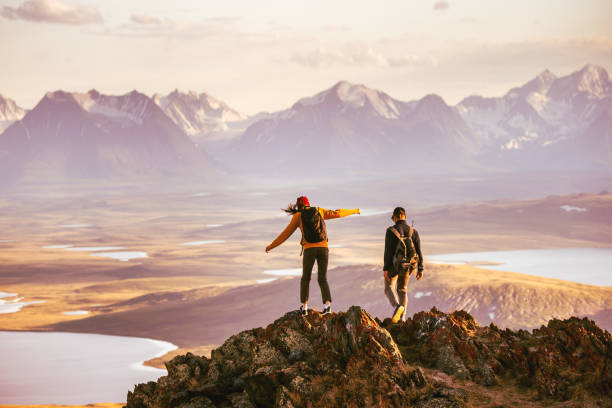
There’s a version of you that has been quietly thinking about it for months, maybe years. The one that imagines crossing a mountain pass on foot, white-water rafting through a dramatic canyon, or scuba diving with creatures you’ve only ever seen in documentaries. The version of you that wants a trip that feels like a story — not just a holiday.
But then the questions start. Am I fit enough? Is it safe? Where do I even begin? What gear do I need? How much does it cost?
Adventure travel for beginners is not about being fearless or superhuman. It’s about taking the first step — and this guide is going to help you do exactly that.
What Is Adventure Travel, Really?
Adventure travel is any trip that takes you outside your comfort zone and into an active, immersive experience with the natural or cultural world. It doesn’t mean extreme sports or death-defying stunts. It means deliberate experiences that challenge, inspire, and transform.
According to the Adventure Travel Trade Association, adventure travel includes at least one of three elements: physical activity, a natural environment, and cultural immersion. A trek through a tea plantation in Sri Lanka? Adventure. A camel safari at sunset in the Thar Desert? Absolutely adventure. Learning to surf in Costa Rica? That too.
The spectrum is wide — and you get to choose where on that spectrum your first adventure sits.
Best Adventure Destinations for First-Time Adventure Travelers
Start somewhere that combines accessibility with authentic thrills. These destinations are widely recommended for beginners because of their excellent tourism infrastructure, English-speaking guides, and variety of experiences at different difficulty levels.
Nepal — Famous for trekking, but you don’t need to do Everest Base Camp on your first trip. The Poon Hill trek is breathtaking, manageable for fit beginners, and offers unforgettable Himalayan views. Kathmandu is warm, chaotic in the best way, and full of culture.
Costa Rica — A paradise for outdoor beginners. You can zip-line through cloud forests, spot wildlife on river safaris, surf for the first time on gentle Pacific beaches, and hike to volcanic craters — all within a relatively small, safe, and well-organized country.
New Zealand — One of the world’s great adventure destinations. Bungee jumping, skydiving, hiking the famous Tongariro Alpine Crossing, kayaking in the Marlborough Sounds. New Zealand does adventure exceptionally well, with safety standards that give first-timers real confidence.
Iceland — If you want dramatic landscapes and unique experiences, Iceland delivers. Glacier walks, snorkeling between tectonic plates, whale watching, and the Northern Lights. Cold but completely manageable with the right gear.
Rajasthan, India — For cultural adventure, Rajasthan is extraordinary. Desert camping under the stars in Jaisalmer, camel safaris, rock climbing in Bundi, and jeep safaris in Ranthambore National Park. Rich, vivid, and endlessly surprising.
How to Choose Your First Adventure Activity
Be honest with yourself about your current fitness level and comfort with risk. Starting too ambitious is a common beginner mistake that leads to injury, exhaustion, or anxiety — and puts people off adventure travel permanently.
If you’re new to outdoor activities, start with guided day hikes, cycling tours, snorkeling, or beginner surf lessons. These are low-risk, social, and give you a real taste of what adventure travel feels like. Once you’ve got a few of these under your belt, you’ll have a much clearer sense of what kind of adventures genuinely excite you.
Ask yourself: Do I prefer land, water, or air? Do I want solo adrenaline or shared experiences? Am I drawn to physical challenge or cultural discovery? Your answers will narrow your choices quickly.
Essential Gear for Beginner Adventure Travelers
You don’t need to spend a fortune before your first adventure trip. Borrow, rent, and buy only what you genuinely need. Here’s what matters most:
Good walking shoes or hiking boots — Your feet are your most important piece of equipment. Invest in well-fitted, broken-in footwear before any hiking or trekking trip. Blisters can ruin an otherwise perfect adventure.
A quality daypack — A 20-30 litre backpack for day adventures. Look for padded shoulder straps, a hip belt, and a rain cover.
Moisture-wicking layers — Avoid cotton on active adventures. Merino wool and synthetic fabrics regulate temperature better and dry much faster.
A good water bottle — Staying hydrated on active adventures is non-negotiable. A 1-litre insulated bottle is ideal.
Basic first aid kit — Plasters, blister patches, antiseptic wipes, pain relief, and any personal medications. Lightweight and worth every gram.
Travel insurance with adventure activity cover — This is not optional. Make sure your policy explicitly covers the activities you’re planning. Many standard policies exclude adventure sports.
Safety Tips Every Beginner Adventure Traveler Needs to Know
Always research your destination thoroughly before you go. Understand the local terrain, weather patterns, and any seasonal considerations. Check government travel advisories and recent traveler reports.
Book reputable, certified guides for activities that carry real risk — white-water rafting, trekking in remote areas, scuba diving, rock climbing. A few extra dollars for a licensed operator is always worth it.
Tell someone your plans. Share your itinerary, the names of your guides or operators, and your expected return times with a trusted contact at home.
Listen to your body — and your instincts. If the weather looks dangerous, the guide seems unprepared, or something just feels wrong — it’s okay to say no and reschedule. No experience is worth compromising your safety.
Learn the basics of altitude, dehydration, and heat exhaustion before any physically demanding trip. These are the most common health challenges for active travelers.
How to Mentally Prepare for Adventure Travel
First-time adventure travelers often underestimate how much of the experience is mental. The physical challenges are real — but so is the psychological shift of stepping into the unknown.
Embrace the discomfort. That knot in your stomach before a hike or a dive is not a warning signal — it’s excitement, and the two feelings are almost neurologically identical. Reframe it as part of the experience.
Accept that things will go wrong. You’ll get rained on, lose your way, miss a booking, or feel exhausted at exactly the wrong moment. These moments, in retrospect, become the best stories. They are not failures — they are the texture of adventure.
And finally — start smaller than your ego wants to. Do the easy trail before the hard one. Take the beginner class before the advanced session. Adventure travel is a lifelong pursuit, not a single achievement.
Your Adventure Starts Now
The best adventure you’ve ever had is still ahead of you. It doesn’t matter if you’re 22 or 72, a seasoned gym-goer or someone who mostly works from a desk. Adventure travel meets you where you are — and takes you somewhere you’ve never been.
Pick one destination. Book one activity. Tell one person about it. That’s how every great adventure begins.