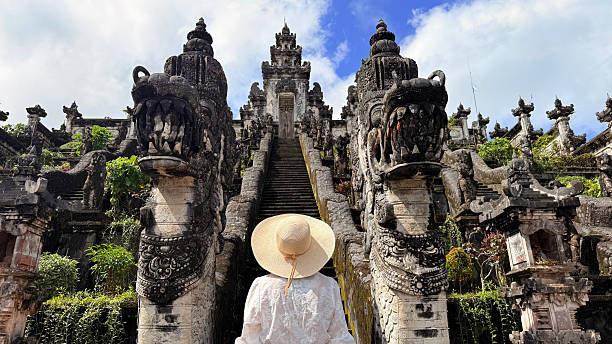
Going somewhere alone for the first time is one of those decisions that feels enormous from the inside and completely manageable in hindsight. The night before your first solo trip, you will probably wonder what on earth possessed you to book this. A week later, you will be trying to figure out how to extend your stay.
Solo travel is one of the most powerful experiences available to any person. It forces you to trust yourself, develop your own instincts, and engage with the world directly — without the filter of traveling companions. It is uncomfortable, exhilarating, occasionally lonely, and ultimately transformative.
This guide is for the first-timer. The person who has never done this before, who is maybe a little scared, and who needs practical, honest guidance rather than vague encouragement. Here is everything you actually need to know.
Choosing Your First Solo Destination
Your first solo trip doesn’t need to be your most adventurous. Choose a destination that matches your current comfort level — somewhere that feels exciting but not overwhelming. Factors to consider: English language prevalence (reduces logistical complexity), safety reputation (check current government advisories), ease of transportation (good public transit matters enormously when solo), and the solo travel community (some destinations have strong hostel cultures and social scenes that make meeting people easy).
Top first-time solo destinations consistently recommended by experienced solo travelers include: Portugal (Lisbon and Porto are extremely solo-friendly, safe, and walkable), Japan (exceptionally safe, endlessly fascinating, and easy to navigate despite the language barrier), Thailand (a global hub for solo travelers with excellent infrastructure), Iceland (safe, spectacular, and straightforward), and Colombia’s Medellín (transformed in recent years into a vibrant, welcoming city for international visitors).
For solo female travelers specifically: Portugal, Japan, New Zealand, and Ireland consistently rank as the safest and most welcoming destinations.
Safety Tips for First-Time Solo Travelers
Share your itinerary with someone you trust at home. Not every detail, but a general outline: where you’re staying, when you’re moving, and your main contact information. Check in regularly.
Research your destination’s specific safety context before you go. General safety and local safety can differ significantly. Know which neighborhoods to avoid at night, which transport options are safest, and what local scams to watch for.
Stay in sociable accommodation for at least part of your trip — hostels, guesthouses, or hotels with communal areas. Isolation amplifies loneliness and reduces your natural social safety net.
Trust your instincts completely. If a situation, a person, or a place feels wrong, leave it. The politeness instinct that stops people from appearing rude is responsible for many unnecessary dangerous situations. Your comfort and safety always take priority.
Keep a digital backup of all important documents — passport, insurance, bookings — stored in the cloud. Use a password manager. Keep a small amount of emergency cash separate from your main wallet.
Get comprehensive travel insurance before you leave. Read the policy. Understand what is and isn’t covered. Solo travelers have no travel companion to help in emergencies — insurance is your safety net.
How to Meet People While Traveling Solo
Stay in hostels, even if just for a few nights. Hostel common rooms, bars, and organized activities are the most efficient social environments for solo travelers. Even if you’re not a natural extrovert, the social infrastructure of a good hostel does the heavy lifting.
Join group tours or day trips. Walking tours, food tours, and adventure day trips naturally gather like-minded solo travelers. A free walking tour in almost any European or South American city is an ideal social starting point.
Use apps and platforms designed for solo travelers — Meetup, Couchsurfing events (their public meetups are generally excellent), and travel-specific Facebook groups for your destination.
Eat at the bar, not a table alone. Sitting at a bar or communal table at a restaurant invites conversation far more naturally than sitting alone at a table for one.
Take a class — cooking, language, surfing, yoga. Structured social activities create natural conversation and often lead to plans for the rest of the day.
Managing the Emotional Side of Solo Travel
Loneliness is real. It visits almost every solo traveler, usually on the second or third day, often in the late afternoon. It passes. Knowing it’s coming makes it easier to ride through.
Build in ways to connect with home — a regular video call, sharing photos, messaging friends. But don’t disappear into your phone. The goal is a bridge, not an escape.
Give yourself permission to do nothing occasionally. Solo travel doesn’t have to be maximally productive. Some of the best solo travel days involve sitting in a park with a book, wandering without a destination, or spending the afternoon in a cafe writing.
Celebrate your wins privately. Navigated a complicated train system in a language you don’t speak? Found a brilliant restaurant through instinct alone? Had a meaningful conversation with a stranger? These moments matter. Acknowledge them.
Budget Tips Specific to Solo Travel
Solo travel carries a financial premium — the single room costs nearly as much as a double. Offset this with: hostel dorms (significantly cheaper than private rooms), longer stays in one place (reduces transport costs and often unlocks accommodation discounts), cooking some of your own meals, and traveling in shoulder season.
Use solo-traveler-specific cost strategies: free walking tours (tip-based), free museum days, picnics in parks instead of restaurant lunches, and overnight trains or buses instead of accommodation for long distances.
The Truest Thing About Solo Travel
Solo travel teaches you who you are when no one else’s preferences are shaping your decisions. You’ll discover what you actually find interesting, how you handle discomfort, what kind of people you’re drawn to, and what you’re capable of managing on your own.
Most first-time solo travelers return home slightly transformed. They feel more capable, more curious, and more alive than when they left. That is not a coincidence. That is what happens when you trust yourself enough to step into the world alone.
Book the ticket. You’ll figure out the rest.