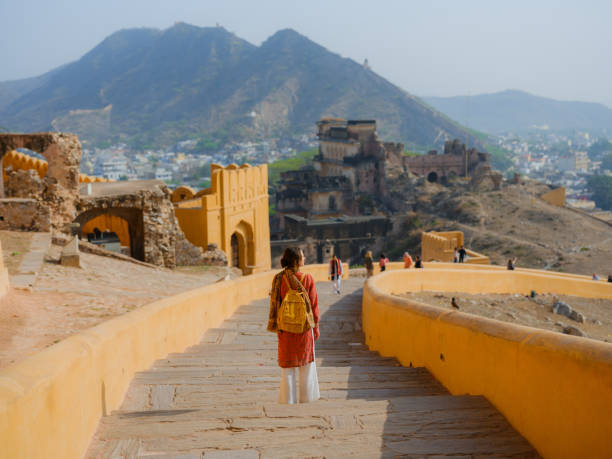
Introduction: So, You’re Thinking About Traveling Alone?
I remember the night before my very first solo trip. I was sitting on my bedroom floor, surrounded by half a packed suitcase, a printed itinerary that I’d revised seventeen times, and about a thousand questions swirling around in my head.
What if I get lost? What if I get lonely? What if something goes wrong and there’s nobody there to help me?
Sound familiar?
Here’s what nobody tells you before your first solo trip: every single person who travels alone has been exactly where you are right now. The nerves, the second-guessing, the “maybe I should just go with a friend instead” spiral — it’s all part of the process.
And then you go. And everything changes.
Solo travel in 2026 is more accessible, more social, and more rewarding than it’s ever been. Remote work has made it possible for millions of people to travel indefinitely. Digital tools have made navigation, translation, and booking easier than ever. And a thriving global community of solo travelers has completely dismantled the old stigma that going alone meant you couldn’t find anyone to go with.
This guide is everything I wish someone had handed me before my first solo trip. We’re going to cover destinations, safety, budgeting, packing, loneliness, meeting people, and all the messy, beautiful in-between stuff that makes solo travel the most life-changing thing you can do for yourself.
Let’s get into it.
Why Solo Travel Is Worth It (Even When It’s Scary)
Before we get into the practical tips, let’s talk about why people keep doing this — why millions of travelers choose to go alone even when it’s harder, sometimes lonelier, and definitely more nerve-wracking than travelling with a group.
The answer is simple: freedom.
When you travel solo, every single decision is yours. You want to spend three hours in one museum because you’re genuinely fascinated by the art? Go for it. You want to skip the famous landmark everyone talks about because it doesn’t excite you? Skip it. You want to spontaneously hop on a bus to a village you read about in a coffee shop? Do it.
There’s no compromise. No waiting for someone else to wake up, no arguments about where to eat, no negotiating between two completely different travel styles. Just you, your instincts, and the world.
Beyond the freedom, solo travel changes you in ways that group travel simply doesn’t. When you navigate a foreign city alone, solve a logistical problem by yourself, or strike up a real conversation with a local, you build a kind of self-confidence that stays with you long after you come home. It’s hard to explain to people who haven’t experienced it. But ask anyone who’s done it, and they’ll tell you the same thing: solo travel made them braver.
Step 1: Choose the Right Destination for Your First Solo Trip
This is where a lot of beginners go wrong. They either pick somewhere too ambitious too soon (think: a complex multi-country backpacking route through Southeast Asia as their very first solo experience), or they talk themselves out of going at all because every destination feels too risky.
The trick is to start smart, not small.
Best Destinations for Solo Travelers in 2026
Here are some of the most solo-traveler-friendly countries right now, organized by travel style:
If you want safety + easy navigation: – Portugal (Lisbon & Porto) — English is widely spoken, the cities are walkable, public transport is excellent, and the cost of living is among the lowest in Western Europe. Lisbon’s hostel scene is incredibly social, making it one of the easiest cities in the world to meet other solo travelers. – Japan (Tokyo, Kyoto, Osaka) — Consistently ranked as one of the safest countries on earth. The public transport system is immaculate, signage is bilingual, and Google Maps works brilliantly. The only challenge is the language barrier in rural areas, but in major cities, getting around alone is genuinely stress-free. – New Zealand — Stunning landscapes, incredible hiking, English-speaking, and a culture that’s extremely welcoming to solo travelers. The South Island’s famous Milford Track is one of the world’s great solo adventures.
If you want budget-friendly + social: – Thailand (Chiang Mai, Bangkok, Pai) — Still one of the most popular solo travel destinations in the world for good reason. Incredibly affordable, a massive backpacker infrastructure, and a culture of travel that makes it almost impossible not to meet people. – Vietnam — Increasingly popular for solo travelers, with a clear north-south route that makes it easy to structure a trip. The food is extraordinary, the landscapes are dramatic, and the cost is very low. – Colombia (Medellín, Cartagena) — Has transformed dramatically over the past decade. A vibrant culture, stunning scenery, affordable prices, and a growing solo travel community. Standard safety precautions apply, but it’s a very rewarding destination.
If you want culture + history: – Italy (Rome, Florence, Sicily) — Slightly more challenging in terms of navigation and price, but the sheer richness of the experience makes it worth it. Solo dining is completely normal in Italy; nobody bats an eye. – Greece (Athens + islands) — The islands are made for slow, solo exploration. The food is incredible, people are warm, and the Mediterranean summer makes everything feel more forgiving. – Morocco (Marrakech, Fes) — More challenging than the above, especially for solo female travelers, but incredibly rewarding. Go with your eyes open, do your research, and stay in well-reviewed riads.
Questions to Ask Before Picking Your Destination
Before you book anything, run through these:
- How easy is the visa process? Some countries offer visa-on-arrival or visa-free access; others require advance applications. Check before you fall in love with a destination.
- What’s the safety situation like right now? Check your government’s official travel advisory page (UK: gov.uk/foreign-travel-advice, US: travel.state.gov). These are updated regularly and give you an honest picture.
- What’s the language barrier like? This isn’t a dealbreaker, but it’s worth knowing. Japan has a significant language barrier outside cities; Portugal and the Netherlands are very English-friendly.
- What does your budget allow? Southeast Asia, Eastern Europe, and Latin America are significantly cheaper than Western Europe, Scandinavia, or North America.
- Solo female travel considerations: If you’re a woman traveling alone, specific destinations deserve specific research. Portugal, Japan, Iceland, and New Zealand are widely considered among the safest. Some destinations require more vigilance — not impossible, just different.
Step 2: Plan Smart (But Not Too Much)
There’s a balance to strike here that every solo traveler eventually finds: you want enough of a plan to feel secure, but not so much of a plan that you lose the spontaneity that makes solo travel magical.
What to Book in Advance
- Flights — Always book in advance, especially for international routes. Prices fluctuate wildly and last-minute flights are rarely cheap.
- First and last night accommodation — Always. You do not want to land in a new country, jet-lagged and disoriented, and have nowhere to go. Book your first night at minimum.
- Any time-sensitive experiences — Popular tours, cooking classes, treks, or attractions that sell out should be booked ahead. The Inca Trail to Machu Picchu, for example, requires permits months in advance.
- Visas — If your destination requires one, sort this before you book anything else.
What to Leave Open
- Day-to-day itinerary after the first couple of days
- Onward accommodation (you’ll often meet people and change your plans)
- Spontaneous activities and local experiences
Research Tips That Actually Help
Don’t just browse travel blogs (though this one is obviously excellent). Here’s what actually gives you the full picture:
- Reddit travel communities (r/solotravel, r/travel) — Real, unfiltered experiences from recent travelers. The search function is goldmine.
- YouTube vlogs from actual solo travelers — Seeing someone navigate your destination alone normalizes it. It also gives you practical visual information you won’t get from a blog post.
- Facebook groups — Solo Travel Society, Girls LOVE Travel (for women), Solo Travelers Network. People answer specific questions in real time.
- Recent Google reviews — For accommodation especially. Sort by “Newest” to get current information.
Step 3: Sort Your Safety Before You Go
Solo travel is generally very safe. The vast majority of people who travel alone, even in challenging destinations, come home with nothing but great stories. But being safe requires being prepared, not paranoid — there’s a big difference.
The Non-Negotiables Before You Leave
Travel insurance — this is not optional. I know it feels like an unnecessary expense when you’re trying to keep costs down, but one hospital visit abroad without travel insurance can cost more than your entire trip. Get comprehensive cover that includes medical evacuation. World Nomads and SafetyWing are popular with solo travelers; compare policies based on your destination.
Make copies of everything important: – Passport (photo page) – Travel insurance policy and emergency number – Visa documents – Hotel booking confirmations – Emergency contact details
Store one copy in your luggage, one in a cloud folder (Google Drive works fine), and email one set to a trusted person at home.
Share your itinerary with someone. A family member or close friend should know roughly where you are and how to reach you. You don’t need to check in every day, but someone should know your general movements.
Register with your country’s embassy if you’re going somewhere with a complex safety situation. The UK has the FCDO registration service; Americans can use the STEP program. These systems allow embassies to contact you in an emergency.
Day-to-Day Safety Habits
- Trust your gut. If a person, place, or situation makes you uncomfortable, remove yourself. You don’t owe anyone an explanation.
- Keep your phone charged. Get a portable power bank. This is non-negotiable.
- Be mindful of what you share with strangers. You don’t need to tell people your accommodation, your plans for the evening, or that you’re traveling alone. “I’m meeting friends later” is a perfectly acceptable social fiction.
- Use licensed taxis or reputable ride apps. In most cities, Uber, Grab, or local equivalents are far safer than unmetered street taxis.
- Keep valuables secure. A crossbody bag with a zip is harder to pickpocket than a backpack. In very busy areas (markets, train stations, festivals), keep your bag in front of you.
- Don’t flash expensive equipment. This one is easy to get wrong. Your DSLR camera, laptop, and new iPhone are all worth more than a month’s salary in many places you’ll visit. Be discreet.
- Know the local emergency numbers. 112 works in most of Europe. Google the local equivalents for everywhere you go.
Apps Every Solo Traveler Should Have
- me or Google Maps (offline) — Download offline maps for every destination before you go. You won’t always have data.
- WhatsApp — The global standard for international messaging. Your family can reach you without expensive international calls.
- Google Translate — The camera translation feature is genuinely game-changing for menus, signs, and packaging.
- iOverlander or Polarsteps — For tracking your route and sharing updates with people at home.
- XE Currency — Real-time exchange rates in your pocket.
Step 4: Pack Light — Seriously
This section could save you from one of the most common solo travel mistakes: over-packing. When you’re traveling alone, nobody is helping you carry your bags. You’re hauling that 25kg suitcase up cobblestone streets, four flights of stairs in a hostel with no lift, and through crowded train stations. Alone.
Pack light. Then take half of it out.
The Solo Travel Packing Philosophy
The golden rule: if you’re not sure whether you need it, you don’t need it. You can buy almost anything you forget in any major city in the world. Shampoo, phone chargers, socks — all available within 200 metres of almost any accommodation.
What you actually need to pack:
Clothing: – 5-7 days of versatile clothing (you’ll do laundry) – Items that can be mixed and matched – One smarter outfit for nicer restaurants or events – Comfortable walking shoes that are already broken in (do not bring new shoes) – A packable rain jacket
Documents & Tech: – Passport + copies – Travel insurance documents – Universal travel adapter – Portable power bank (at least 10,000mAh) – Earphones (noise-cancelling if budget allows — game-changing for long journeys) – Laptop or tablet if needed for work
Health & Safety: – Comprehensive first aid kit (blister plasters especially) – Any prescription medication (more than enough, plus the prescription itself) – Sunscreen (often overpriced in tourist areas) – Hand sanitiser and a couple of face masks
Comfort: – Sleep mask and earplugs (essential in dorm accommodation) – A small padlock (for hostel lockers) – A quick-dry travel towel
Luggage Advice
For solo travel, a carry-on sized backpack (40-50 litres) is almost always the better choice over a suitcase. It keeps you mobile, avoids checked baggage fees, and means you can actually move freely.
If you’re going for more than 3 weeks or traveling through colder climates, a 65-litre backpack with a small daypack is a good combination.
Step 5: Budget Like a Pro
Solo travel is often assumed to be more expensive than group travel — and it’s true that you’re not splitting the cost of accommodation and transport. But solo travel also gives you total control over your spending, and many solo travelers find they actually spend less than they expected.
How to Budget for a Solo Trip
Start with the “big three”: accommodation, transport, and food. Everything else is a secondary expense.
Accommodation strategies:
- Hostels remain the most affordable option and the best places to meet other travelers. You don’t have to stay in a 12-bed dorm if that’s not for you — most hostels offer private rooms that are still significantly cheaper than hotels.
- Guesthouses and local stays are often better value than international hotel chains and give you a more authentic experience.
- com and Hostelworld are the two main booking platforms. Read recent reviews carefully — rating trends matter more than overall scores.
Transport strategies:
- Trains and buses are almost always cheaper (and often more scenic) than flying between destinations in the same region. Europe’s Eurail pass, Southeast Asia’s bus networks, Japan’s rail pass — all worth researching.
- Book flights with flexibility. Being flexible by even a day or two on your dates can save significant money. Google Flights’ calendar view shows you the cheapest days to fly.
Food strategies:
- Eat where locals eat. The restaurant two streets away from the tourist square will be cheaper, better, and more authentic. Markets, street food, and grocery stores are your friends.
- Lunch is often better value than dinner. Many restaurants offer set lunch menus that are significantly cheaper than the evening menu.
- Accept that solo dining is wonderful. Bring a book, journal, or just watch the world go by. Solo dining is one of the great pleasures of traveling alone, once you get past any initial awkwardness.
Daily Budget Benchmarks (2026)
These are rough estimates — actual costs vary enormously by specific location and travel style:
| Region | Budget Traveler | Mid-Range |
| Southeast Asia | $30–50/day | $60–100/day |
| Eastern Europe | $50–70/day | $80–130/day |
| Western Europe | $80–120/day | $130–200/day |
| Japan | $60–90/day | $100–180/day |
| Latin America | $40–70/day | $70–120/day |
Step 6: Dealing With Loneliness (Because It Happens)
Let’s be honest about this part, because too many travel guides pretend it doesn’t exist. Solo travel can get lonely. Not always, not for everyone, not in every moment — but it happens, and it’s completely normal.
The loneliness usually comes in waves. A specific kind of moment triggers it: a beautiful sunset with no one to share it with, an incredible meal that you wish you could discuss with someone, a funny thing that happens that you can’t immediately tell anyone about. These moments are real.
But here’s the thing about solo travel loneliness: it’s temporary, and it often precedes some of the best experiences of your trip. Because loneliness motivates connection. When you’re slightly lonely, you talk to the person at the next table. You say yes to the invitation from the hostel group. You reach out to a local contact instead of spending another evening on your phone.
Practical Ways to Connect With People
Stay in social accommodation. Hostels with communal kitchens, co-working spaces, or common areas are genuinely the easiest way to meet other travelers. You don’t even have to try very hard — just make yourself available.
Join group tours or activities. Even die-hard independent travelers benefit from a group cooking class, a guided walking tour, a surf lesson, or a day trip. These activities create natural opportunities for conversation without any awkward “so… where are you from?” cold-opening.
Use Meetup.com or Couchsurfing events. These platforms run social events specifically for travelers and locals who want to connect. Couchsurfing in particular has a Meetup feature that lists free local events.
Take a class or workshop. A pottery workshop, a Spanish lesson, a local cooking class — learning something new in a foreign city is inherently social and one of the best souvenirs you can bring home.
Talk to locals. This is the one most solo travelers underrate. The best conversations and the best recommendations almost always come from locals, not other travelers. Ask your accommodation host for their personal recommendations. Chat to the person at the café. Ask a question you don’t actually need answered, just to start a conversation.
Step 7: Take Care of Your Mental Health on the Road
Solo travel is wonderful, but it’s also intense. You’re constantly in new environments, making decisions without input, navigating unfamiliar systems, and often dealing with language barriers, logistical frustrations, and unexpected setbacks. All of that adds up.
Build rest into your itinerary. Not every day needs to be packed with activities. Rest days — real rest days, where you do nothing more demanding than sitting in a café and reading — are essential for sustainability. Burnout is a real thing in long-term travel.
Keep some routines. Exercise, journaling, meditation, morning coffee rituals — whatever grounds you at home, try to maintain some version of it on the road. Familiar habits provide stability when everything else is new.
Stay connected with people at home. Regular video calls with family or close friends are important. The connection matters, even if the time difference is inconvenient.
Give yourself permission to have bad days. Not every day will be Instagram-worthy. Some days you’ll be tired, frustrated, or homesick, and that’s okay. It doesn’t mean solo travel isn’t for you. It means you’re human.
Common Solo Travel Mistakes to Avoid
Over-planning the itinerary. Leave room for spontaneity. The best moments of most solo trips are unplanned.
Staying in your accommodation too much. If you’re feeling nervous or lonely, it’s tempting to retreat. Push yourself to go out, even for an hour. It almost always helps.
Comparing your trip to other people’s. Social media gives a very curated view of solo travel. Don’t measure your real experience against someone else’s highlight reel.
Ignoring travel insurance. Already mentioned above, but worth repeating because people still skip it.
Being too rigid about plans. Flights change, buses are late, places don’t live up to the hype, and unexpected detours become the best parts of the trip. Be flexible.
Not learning a few words of the local language. You don’t need to be fluent. “Hello,” “please,” “thank you,” “excuse me,” “where is the toilet?” — even these few phrases show respect and almost always generate warmth in return.
Final Thoughts: Just Go
If you’ve read this far, you’re ready. Not because you’ve memorized every tip (you haven’t, and you don’t need to), but because you’re taking this seriously, and that means you’re the kind of person who will figure it out as you go.
Solo travel rewards curiosity, patience, and a willingness to be a little uncomfortable. It hands you a version of yourself you didn’t know existed — resourceful, open, capable of more than you thought.
The planning matters. The research helps. But ultimately, there comes a point where you just have to book the ticket and trust yourself.
Go. The world is genuinely wonderful, and it’s waiting for you.
Found this guide helpful? Pin it for later and share it with someone who’s been putting off their first solo trip. You might just change their life.