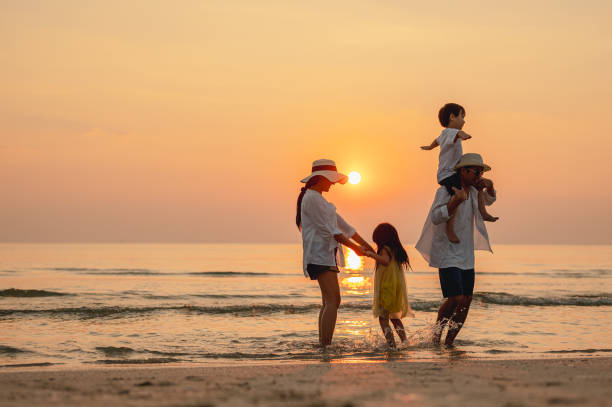
Traveling with children is one of the most rewarding things a family can do together. It’s also, if you’re not prepared, one of the most exhausting. Between packing for multiple people, managing different energy levels, navigating airports with a stroller, and keeping everyone fed and happy — family travel has a lot of moving parts.
But here’s the truth that experienced family travelers will tell you: the trips that feel the most chaotic in the planning stage are often the ones that create the most extraordinary memories. The key is preparation, flexibility, and letting go of the idea that everything needs to be perfect.
Whether this is your very first family holiday or you’ve tried it once and barely survived, these 20 family vacation tips will help you travel smarter, argue less, and actually enjoy the whole experience.
Before You Leave: Planning Tips
- Choose a Family-Friendly Destination, Not Just an Interesting One — The most beautiful or culturally fascinating destination isn’t always the most practical with kids. Look for places with good healthcare access, family-friendly accommodation options, sanitation you can trust, and activities that work across different ages and energy levels.
- Involve the Kids in the Planning — Children who have had input in the trip are more engaged, more patient, and more excited. Let them choose one activity, research an animal they might see, or pick a meal they want to try. Ownership creates enthusiasm.
- Book Flexible Accommodation — Look for apartments, villas, or family suites rather than standard hotel rooms. Extra space, a kitchen, and separate sleeping areas make an enormous difference — especially on longer trips.
- Over-pack on the First Trip, Then Learn — You’ll bring too much the first time. That’s okay. Make a list of everything you actually used, donate the rest after you’re back, and you’ll pack much better next time.
- Plan for the Unpredictable — Build in buffer time every single day. Kids get tired, get hungry, have meltdowns, or find something utterly fascinating that wasn’t on any itinerary. A schedule with no breathing room will break you.
At the Airport and During Travel
- Arrive Early — With children, add an extra hour to whatever you think you need. Between bathroom breaks, slow walkers, and the inevitably misplaced boarding pass, you will use that time.
- Carry a Dedicated Kids’ Carry-on — Let older children manage a small backpack with their own snacks, entertainment, and comfort items. It gives them responsibility and frees your hands.
- Download Everything Before the Flight — Movies, podcasts, audiobooks, games. Don’t rely on in-flight Wi-Fi. Download age-appropriate content well in advance on each device.
- Dress Everyone in Bright or Matching Colors — In crowded airports, tourist attractions, or busy markets, brightly colored or matching outfits make it dramatically easier to spot your children at a glance.
- Feed Before You Board — Hungry children and long-haul flights are a genuinely difficult combination. Have a substantial meal before boarding, and carry protein-rich snacks for during the flight.
At Your Destination
- Start With a Slow Day — Resist the urge to fit everything in on day one. Give the family a day to settle in, sleep well, explore the immediate neighborhood, and adjust to the new environment.
- Mix Big Sights with Kid-Friendly Breaks — For every major attraction, plan something children will genuinely enjoy — a playground, a swimming pool, an ice cream stop, a market with street food. Balance keeps everyone engaged.
- Learn a Few Words of the Local Language Together — Teaching your children to say hello, thank you, and please in the local language is both a valuable life lesson and an incredibly charming ice-breaker with locals.
- Always Know the Location of the Nearest Pharmacy — Before you leave your accommodation each day, Google the nearest pharmacy. Children get sick, get stung, and need plasters with alarming frequency.
- Stay in One Base and Do Day Trips — Moving accommodation every day with children is genuinely exhausting. Choose one good central base and do day trips from there. You’ll all be happier.
Money, Food & Wellbeing
- Budget for the Unexpected — Add a 20% buffer to your travel budget. Children break things, get sick, need extra snacks, or fall in love with something in a gift shop. Financial flexibility reduces stress enormously.
- Let Children Choose One Meal Per Day — Give each child the responsibility of choosing where or what the family eats once per day. It reduces negotiation, builds decision-making skills, and usually results in surprisingly good choices.
- Prioritize Sleep Over Late-Night Experiences — Overtired children make everything harder. Stick reasonably close to usual bedtimes, even on holiday. The adults can have their late dinner after the kids are settled.
- Take Photos With Your Kids, Not Just Of Them — The most treasured family travel photos aren’t the postcard shots — they’re the ones of you laughing together, eating something ridiculous, or completely lost on a hiking trail.
- Talk About the Trip After You’re Home — The experience of travel continues to grow and deepen when you discuss it together. Share your photos, cook a meal from the destination, find a book about the culture. The memory of a great family trip is a gift that genuinely keeps giving.
One Last Thing
No family trip is perfect. Children will cry at the Eiffel Tower. Someone will get food poisoning. A flight will be delayed for four hours. These moments will be genuinely awful in the moment and absolutely hilarious in the retelling.
Travel with your family anyway. Do it while the children are young enough to fit in your lap and old enough to remember. Do it imperfectly, messily, and with enormous love. Those are the trips that shape who people become.