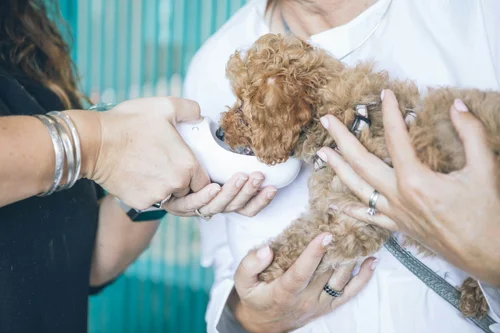
Charlottesville and the rest of Albemarle County draw a steady stream of new residents: university faculty and grad students, remote workers, retirees and young families looking for a bit more space. A lot of them arrive with a dog or cat in the back seat.
Moving is stressful for animals as well as people. New smells, new routines and a new climate can all throw a pet off for a few weeks. The good news is that central Virginia is a great place to have a pet, with mountain trails, a dog-friendly downtown and plenty of wineries and breweries that welcome well-behaved dogs on the patio. Here’s a practical checklist to help your pet settle in.
Before the move: gather records and plan the trip
Ask your current vet for a complete copy of your pet’s medical records, not just a vaccine certificate. You want lab results, any imaging reports, a list of current medications and doses, and notes on past surgeries or chronic conditions. Having these in hand makes the first visit with a new vet far more productive.
Refill any prescriptions before you leave so you have at least a month’s supply. That gives you breathing room to find a new vet without a gap in medication.
If you’re driving a long distance, keep your pet in a secured crate or harness, stop every few hours for water and a bathroom break, and never leave an animal in a parked car. Virginia summers are hot and humid, and a car’s interior heats up dangerously fast.
Get the paperwork sorted
Virginia requires rabies vaccination for dogs and cats, and dogs four months and older must be licensed in the locality where they live. In Albemarle County and the City of Charlottesville, licensing runs through the local treasurer’s office, and you’ll need proof of a current rabies vaccine. Check the county or city website for current fees and deadlines, since the rules can differ slightly depending on which side of the city line you land on.
While you’re at it, update your pet’s microchip registration with your new address and phone number. It’s one of the most overlooked steps in any move, and it matters most in the first few weeks, when a nervous pet is most likely to slip out an open door in an unfamiliar house.
Find a vet before you need one
The worst time to look for a veterinarian is when your dog has eaten something he shouldn’t have on a Friday afternoon. Try to establish care within your first month, even if your pet is healthy. A first wellness visit lets the new practice review records, get a baseline exam and flag anything local you should know about.
When you’re comparing practices, think about location first. Traffic on Route 29 and 250 can make a short distance feel long, so a clinic near your home or on your regular commute is worth a lot. If you’re on the west side of town, there’s a veterinary practice on Ivy Road that’s convenient for Ivy, the University area and the Route 250 corridor. Clinics in that part of the county also regularly see families settling in Crozet, which has grown quickly in recent years.
Beyond location, a few questions help narrow things down:
- Do they run bloodwork and X-rays on site, or send them out?
- How do they handle same-day sick visits?
- Where do they refer after hours and for emergencies?
- Will they talk through treatment options at different price points?
- Do you see the same veterinarian at each visit?
Smaller, independently owned practices such as Wag Veterinary tend to offer more continuity with one doctor, while larger hospitals may have longer hours and more specialists under one roof. Neither is better across the board; it depends on what matters most to you and your pet.
Know the local health risks
Every region has its own set of common pet health concerns, and central Virginia’s are worth knowing.
Ticks are the big one. Virginia has a significant tick population, and tick-borne diseases such as Lyme disease and anaplasmosis are regularly diagnosed in local dogs. Year-round tick prevention is the norm here, not just in summer, because mild winter days can bring ticks out. Check your dog after every hike, paying close attention to ears, armpits, between the toes and under the collar.
Heartworm is spread by mosquitoes and is present throughout Virginia. Most vets in the area recommend monthly prevention year-round along with an annual heartworm test.
Leptospirosis is a bacterial disease spread through water and soil contaminated by wildlife urine. Dogs who swim in creeks and ponds or drink from puddles are at higher risk, so ask your vet whether the lepto vaccine makes sense for your dog’s lifestyle.
Copperheads live throughout the region, including in suburban yards and along woodland trails. Keep dogs leashed on trails, especially near rocks and woodpiles, and know where the nearest emergency clinic is before you need it.
Summer heat and humidity are also a real concern for flat-faced breeds, older dogs and heavy-coated breeds. Plan walks for early morning or evening from June through September.
Explore, but ease in
Once your pet has had a week or two to settle, the area has a lot to offer. The Rivanna Trail loops around the city and is popular with dog walkers. Shenandoah National Park is less than an hour away and allows leashed dogs on most of its trails, though a handful of popular routes, including Old Rag, are off-limits to pets. Plenty of local wineries, cideries and breweries welcome dogs on their patios, but policies vary, so call ahead.
Start with short outings. A dog who has just moved may be more reactive or anxious than usual, and new places can be overwhelming. Build up gradually and let your pet’s behavior guide the pace.
Helping cats adjust
Cats often have a harder time with moves than dogs. Set up one quiet room with food, water, a litter box and familiar bedding, and let your cat stay there for the first several days before exploring the rest of the house. Keep indoor cats strictly indoors during the transition. An outdoor cat that escapes in a new neighborhood may not know how to get home.
Watch for signs of stress that go beyond normal adjustment: hiding for more than a week, not eating for more than a day or two, or urinating outside the litter box. These can signal a medical problem as well as anxiety, and they’re worth a call to your new vet.
Settling in for the long run
Most pets adjust to a new home within a few weeks to a couple of months. Keeping feeding times, walks and bedtime consistent helps a lot. So does getting the basics done early: records transferred, paperwork filed, microchip updated and a veterinarian lined up. Handle those in your first month and you’ll be free to enjoy what brought you to central Virginia in the first place, with your pet right there alongside you.