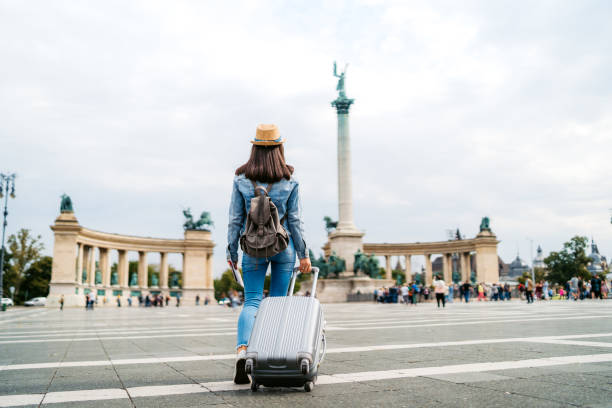
There is no such thing as a traveler who was born knowing what to do. Every confident, experienced explorer you’ve ever met was once standing in an unfamiliar airport, heart slightly in their mouth, wondering if they’d made a terrible mistake.
The good news is that international travel — for all its apparent complexity — runs on a fairly small set of principles. Once you understand them, the world opens up. This guide is the one I wish someone had handed me before my first international trip.
Here are 30 essential travel tips for beginners that will save you money, reduce anxiety, and help you make the absolute most of your first time abroad.
Before You Book
- Check Your Passport Validity — Most countries require your passport to be valid for at least 6 months beyond your travel dates. Check this before you do anything else. Renewing a passport takes time.
- Research Visa Requirements Early — Visa processes vary enormously. Some countries require applications weeks in advance. Others give you a visa on arrival or a simple online e-visa. Don’t assume — research your specific passport for your specific destination.
- Book Flights on the Right Day — Studies consistently show that Tuesdays and Wednesdays tend to offer the lowest flight prices. Use Google Flights’ price calendar to visualize your options across different dates.
- Buy Travel Insurance Before Anything Else — The one item most first-timers skip. Get it. A medical emergency abroad without insurance can be financially catastrophic. Cover should include medical evacuation, trip cancellation, and lost baggage.
- Tell Your Bank You’re Traveling — Contact your bank or credit card company before departure and inform them of your travel dates and destination. Without this notification, your card may be blocked when you try to use it abroad.
At the Airport
- Arrive Earlier Than You Think You Need To — For international flights, arrive at least 3 hours before departure. Checking in, clearing security, and navigating to your gate takes longer than you expect, especially the first time.
- Carry Important Documents in Your Hand Luggage — Passport, insurance documents, hotel booking confirmations, and emergency contacts should always be on your person, never in checked luggage.
- Download Your Boarding Pass Before Arriving — Most airlines allow mobile boarding passes. Download yours the evening before to avoid any last-minute app connectivity issues.
- Keep Liquids Accessible in a Clear Bag — Security requirements mandate liquids in containers of 100ml or less, all placed in a single clear resealable bag. Keep this at the top of your bag for quick access at security.
- Exchange Only a Small Amount of Currency at the Airport — Airport exchange rates are almost always worse than in the city. Exchange just enough for your immediate needs (taxi, a meal) and get better rates elsewhere.
On the Plane
- Stay Hydrated — Aircraft cabins are exceptionally dehydrating. Drink water consistently throughout any flight longer than two hours. Avoid excessive alcohol, which accelerates dehydration.
- Move Regularly on Long-Haul Flights — Stand up, walk the aisle, and do simple leg exercises every couple of hours to reduce the risk of deep vein thrombosis and arrive feeling significantly better.
- Set Your Watch to Your Destination’s Time Zone When You Board — This psychological adjustment helps your body begin preparing for the new time zone.
- Bring Your Own Entertainment — Don’t rely on in-flight entertainment systems. Download podcasts, films, books, or music you know you enjoy before boarding.
At Your Destination
- Get a Local SIM Card Immediately — Being connected from the moment you arrive dramatically reduces travel anxiety. Most international airports have SIM vendors airside or in the arrivals hall.
- Use ATMs Inside Banks Rather Than Street ATMs — They are safer, more reliable, and usually offer better exchange rates. Withdraw larger amounts less frequently to minimize transaction fees.
- Learn Five Words of the Local Language — Hello, thank you, please, excuse me, and sorry. Using these five words, even imperfectly, transforms how locals respond to you.
- Keep Digital Copies of Everything — Photograph your passport, visa, insurance documents, and bookings. Store in cloud storage accessible without a local SIM if needed.
- Use Google Maps Offline — Download your destination city map for offline use before you leave your accommodation each day. It works without data and is invaluable for navigation.
Safety & Common Sense
- Blend In Where Possible — Expensive jewelry, large camera bags, and visible wallets make you a more attractive target for pickpockets. Keep valuables secured and dress to blend in.
- Research Local Scams Before You Arrive — Every tourist destination has well-known scams. Spend 15 minutes researching the most common ones for your specific destination before arrival.
- Don’t Carry All Your Cash in One Place — Split cash between different pockets or a money belt. Never keep your entire budget in one wallet.
- Memorize Your Accommodation Address — Or save it offline. You need to be able to tell a taxi driver or show it to someone if you get disoriented.
- Have the Local Emergency Numbers Saved — Police, ambulance, and your country’s embassy contact in each destination. You may never need them. Have them anyway.
Food, Money & Experience
- Eat Where Locals Eat — The restaurants that display their menus in multiple languages outside tend to serve tourist-adjusted food at tourist-adjusted prices. Walk one block further and eat where locals eat.
- Always Carry Small Change — Many local buses, markets, and street food vendors can’t change large notes. Carry small denominations and you’ll always be prepared.
- Try One New Thing Every Day — A food you’ve never tried. A neighborhood you didn’t plan to visit. A conversation with a stranger. Travel stretches you — lean into it.
- Take Fewer Photos and More Moments — Your camera will remember everything. You need to be present for some of it. Put your phone down at least once a day and just experience.
- Keep a Travel Journal — Even just a few notes at the end of each day. Memory is more unreliable than we realize. Written notes, in your own voice, from the actual moment, are irreplaceable.
- Allow Yourself to Get It Wrong — You will make mistakes. You will get lost, miss a train, mispronounce something, and order the wrong thing entirely. These are not failures. They are experiences. Welcome them.
The Honest Truth About First-Time Travel
The first day of an international trip is almost always the hardest. Jet lag, unfamiliar surroundings, language barriers, and a thousand small challenges come at you simultaneously. By day three, it starts to feel normal. By day five, it feels like home. By the time you’re at the airport heading back, you’re already planning your next trip.
International travel is one of the most growth-accelerating, perspective-widening, and genuinely joyful things a person can do. You have everything you need to begin. These 30 tips are just the map. The adventure is entirely yours.