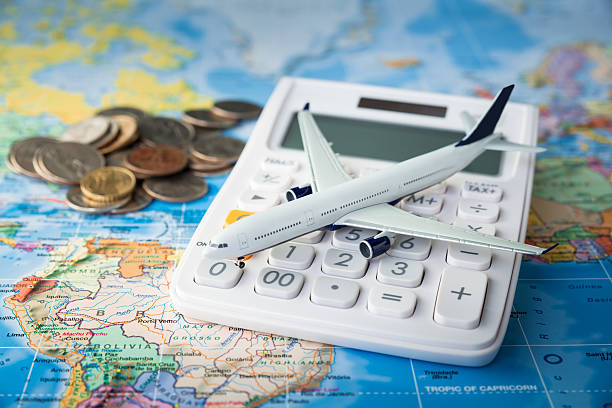
Let’s get one thing out of the way immediately: living a travel lifestyle on a budget is absolutely possible, but it doesn’t look like the Instagram version. It’s not endless white beaches and rooftop infinity pools on a backpacker’s salary. It’s smarter decisions, different priorities, and a willingness to trade certain comforts for experiences that most people only dream about.
Hundreds of thousands of people around the world are currently living full, rich, meaningful lives that include regular or continuous travel — without trust funds, without six-figure tech salaries, and without winning the lottery. They figured out how. This guide will show you the actual mechanics.
First: What Does a Travel Lifestyle Actually Mean?
A travel lifestyle doesn’t mean you’re constantly moving. That’s a common misconception that leads people to burn out fast. A travel lifestyle means travel is a central and intentional part of how you structure your time and money — not an occasional treat you collapse into once a year.
It might mean spending three months in one affordable country, then moving to another. It might mean working remotely nine months of the year and spending three months traveling. It might mean doing several long international trips per year instead of a conventional one-week holiday package. The form is flexible. The intention is consistent.
The Financial Reality: What Does It Actually Cost?
Here’s the number that surprises most people: you can live a very comfortable travel lifestyle in Southeast Asia, Central America, Eastern Europe, or South Asia for $1,000 to $1,500 USD per month — including accommodation, food, transport, activities, and health insurance.
Compare that to the average monthly cost of living in London, New York, or Sydney — which typically runs $3,000 to $5,000 or more when you factor in rent, commuting, eating out, and entertainment. Many people discover they can actually afford to travel long-term more easily than they can afford to stay in their home city.
The key variables are destination choice, accommodation type, and how you eat. These three factors account for roughly 80% of your travel expenses.
How to Fund a Travel Lifestyle
Remote Work — The most sustainable option. Teaching English online, freelance writing, graphic design, web development, digital marketing, virtual assistance — the list of remote-friendly skills is long and growing. Platforms like Upwork, Fiverr, Toptal, and Remote.co are good starting points.
Location-Independent Businesses — Drop-shipping, print-on-demand shops, online courses, travel blogging with affiliate income, YouTube channels, or photography licensing. These take time to build but offer the most freedom once established.
Savings + Travel — Many people save aggressively for 6-12 months and take an extended trip on their savings, using the time to build skills or income streams for the next phase. This is a completely valid strategy.
Work Exchange Programs — Platforms like Workaway and HelpX connect travelers with hosts who offer free accommodation in exchange for a few hours of work per day. This dramatically reduces costs.
Seasonal Work — Working a season in ski resorts, summer camps, harvest seasons, or yacht crew positions allows you to earn while experiencing a new place.
Slow Travel: The Budget Traveler’s Best Friend
Slow travel — spending weeks or months in one place rather than bouncing between cities every few days — is both cheaper and more rewarding than rapid movement. Nightly rates drop dramatically when you rent by the month. You develop genuine relationships with locals. You discover the neighborhood bakeries and quiet parks that tourists never find.
A month in a comfortable apartment in Chiang Mai, Thailand can cost $400-600 USD all-in. A week in a tourist area of the same city can cost you $500. The math is clear.
Slow travel also reduces the physical and mental exhaustion of constant movement. Airports are expensive, stressful, and time-consuming. The less time you spend in transit, the more money and energy you have for living.
Practical Budget Travel Tips That Actually Work
Use credit cards with travel rewards for all possible spending — the points accumulate fast and can fund flights or hotels. Pay the balance in full every month.
Eat where locals eat — not where the English-language menu is displayed outside. A local rice dish in Vietnam costs $1-2. The same dish at a tourist restaurant is $8-12.
Book accommodation with a kitchen — being able to cook even a few meals per week saves significant money without much effort.
Travel overland where possible — buses, trains, and ferries are a fraction of the cost of flights, and often much more interesting.
Choose affordable destinations strategically — Albania, Georgia, Vietnam, Indonesia, Colombia, Mexico, Portugal’s interior, Bulgaria, Nepal — all offer extraordinary quality of life at dramatically lower cost than Western Europe or North America.
Travel in shoulder season — just outside peak season, prices drop 30-50% and crowds thin considerably. Usually the weather is still excellent.
The Things Nobody Tells You About the Travel Lifestyle
It can get lonely. Moving frequently means constantly rebuilding social connections. The solution is co-working spaces, regular video calls with people at home, and deliberately seeking communities of long-term travelers.
Healthcare needs planning. Research international health insurance options (SafetyWing and WorldNomads are popular with long-term travelers). Don’t assume you can rely on travel emergency cover.
Your relationship with home changes. Living abroad for extended periods shifts your perspective in ways that are enriching but also sometimes disorienting. Former home countries can start to feel foreign.
It’s deeply worth it. The breadth of experience, the clarity of perspective, and the richness of a life lived across multiple cultures and landscapes is something that cannot be replicated by any other lifestyle choice.
Your First Step
If you want to live a travel lifestyle, start with one concrete action today. Research the cost of living in one affordable destination. Sign up for one remote work platform. Open one high-yield savings account and set up an automatic monthly transfer.
The life you’re imagining is within reach. It just requires building it deliberately, one practical decision at a time.