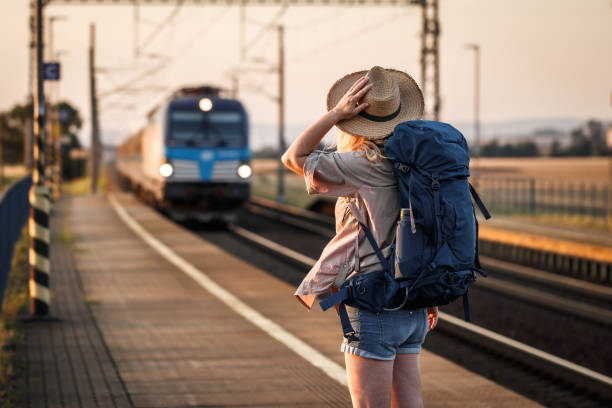
India is one of the most rewarding countries in the world to travel on a budget. Not because it forces you into unpleasant compromises, but because the best experiences here — the food, the temples, the conversations, the markets, the landscapes — are often free or nearly so. The secret is knowing where to spend and, more importantly, where not to.
Getting the Flights Right
Domestic flights in India can be surprisingly affordable if booked at the right time. The sweet spot is usually 3-6 weeks before travel for major routes (Delhi-Mumbai, Delhi-Bengaluru) and 6-10 weeks for popular leisure destinations (Goa, Andaman). Set price alerts on Google Flights, Skyscanner, or Ixigo. Flying Tuesday-Thursday is almost always cheaper than weekends. IndiGo, SpiceJet, and Air India Express consistently offer the best budget fares on domestic routes.
For travel within a region, trains are almost always a better option than flying — cheaper, more scenic, and an experience in themselves.
Trains: The Budget Traveller’s Best Friend
Indian Railways is one of the great travel bargains of the world. A Sleeper Class (non-AC) journey from Delhi to Varanasi — about 800 km — costs around ₹350-500. The same journey in AC-3 Tier (perfectly comfortable, with bedding) costs ₹900-1,200. Compare this to a flight (₹2,500-6,000 plus getting to and from airports) and the value is clear.
The catch: book as early as possible. IRCTC opens bookings 60 days in advance (reduced from 120 days as of 2025). For popular routes during holidays, this matters a lot. Also be aware of the new May 2025 rule: if your ticket remains waitlisted after chart preparation, you cannot board Sleeper or AC coaches — only General coaches. So confirm your ticket status before you travel.
Accommodation: The Art of Sleeping Well for Less
Budget accommodation in India ranges from gritty dorms (₹200-400 per night) to surprisingly pleasant guesthouses (₹500-1,200 per night). The difference between a ₹600 guesthouse and a ₹400 guesthouse is often just a ceiling fan versus AC — not worth worrying about except in peak summer.
Homestays consistently offer better value and better experiences than budget hotels. The breakfasts are usually home-cooked and included, the owners are excellent sources of local knowledge, and you get a sense of actual Indian domestic life. Platforms like Zostel, HostelWorld, and direct booking through Google Maps reviews are all reliable.
Avoid accommodation in the immediate tourist bubble — the street around Amer Fort in Jaipur, the Pushkar ghats area, the lanes around Connaught Place in Delhi. Move two streets back and prices drop 30-40% with minimal difference in convenience.
Food: Eat Like a Local, Spend Like a Local
The budget food strategy is simple: eat where locals eat, not where guidebooks point. Thali restaurants, dhabas, and South Indian ‘mess’ restaurants (in cities like Chennai, Bengaluru, and Pune) serve enormous, filling meals for ₹80-150. Street food — pani puri, pav bhaji, samosas, vada pav, chole bhature — is not only safe (choose busy, fresh-cooking stalls) but often the most delicious food in any Indian city.
A note on water: carry a UV purifier or filtered bottle rather than buying plastic water bottles constantly. It’s cheaper, better for the environment, and most guesthouses will refill a filtered bottle for free.
Getting Around Cities Cheaply
Metro systems in Delhi, Mumbai, Bengaluru, Hyderabad, Chennai, and Kolkata are fast, clean, and remarkably cheap. A metro ride in Delhi rarely costs more than ₹30-50. Auto-rickshaws are great for short trips — always use meter or negotiate the price before getting in. Rapido and Namma Yatri apps offer reliable, affordable two-wheeler taxi services in many cities.
For longer intercity journeys, government KSRTC/HRTC/RSRTC buses are dramatically cheaper than private buses and usually equally comfortable on popular routes.
Free and Near-Free Experiences That Are Actually the Best
Many of India’s most memorable experiences cost almost nothing. The Ganga Aarti at Varanasi or Haridwar — free, extraordinary. Sunrise at any Himalayan viewpoint — just the cost of getting there. Wandering the spice markets of Old Delhi or the cloth markets of Ahmedabad — no ticket required. Temple architecture — most major Hindu temples are free to enter. The ghats of any riverine city at dawn.
The expensive attractions — themed parks, certain museums, high-altitude cable cars — are optional. Budget intelligently and you’ll find the free version of India is often the more authentic one.