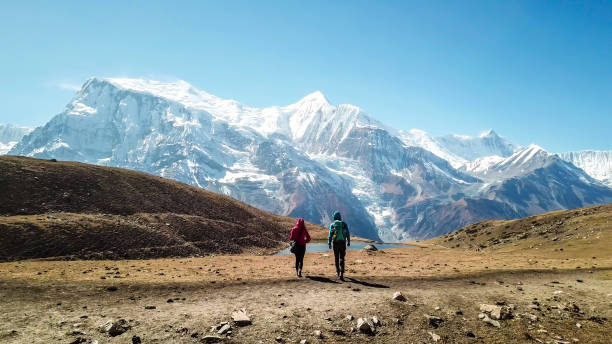
There’s something about trekking in the Himalayas that strips everything back to basics. No Wi-Fi, no traffic noise, no deadlines — just you, a trail, and mountains so massive they make your everyday worries feel genuinely small. India is extraordinarily blessed in this regard. From the flowering meadows of Uttarakhand to the dramatic high-altitude deserts of Ladakh, the country offers trekking experiences that rival anything in the world.
But with hundreds of trails across multiple states, choosing the right one can feel overwhelming. This guide organises the best options by difficulty, season, and what you’re actually looking for — whether that’s your first-ever trek, a family adventure, or a serious high-altitude challenge.
Easy Treks (Perfect for Beginners and Families)
Kedarkantha Trek, Uttarakhand: One of India’s most beloved winter treks and for good reason. At a maximum altitude of 3,810 metres, it’s achievable for fit beginners, and the summit views — 360-degree panoramas of peaks like Swargarohini, Bandarpoonch, and Kala Nag — are absolutely worth the effort. Covered in snow from December to April. The trek is about 20 km total over 5 days. Cost for a guided group trek starts around ₹7,000-10,000.
Chopta Tungnath Chandrashila Trek, Uttarakhand: Often called the ‘Mini Switzerland of India’, Chopta is a dreamy meadow trek that also includes the highest Shiva temple in the world (Tungnath). Only 4 km from Chopta to Tungnath, with an optional extension to Chandrashila peak. Suitable for complete beginners. Rhododendrons in bloom from March to April make this one of the most photogenic treks in India.
Triund Trek, Himachal Pradesh: Starting from McLeod Ganj (the home of the Dalai Lama), Triund is a 9 km trail ending at a gorgeous ridge with dramatic views of the Dhauladhar range and a sweeping valley below. Do-able in one day. Camping at the top under the stars is an experience that draws backpackers year after year.
Moderate Treks (For Those With Some Fitness and Experience)
Valley of Flowers, Uttarakhand: A UNESCO World Heritage site, this national park bursts into an astonishing carpet of wild flowers every monsoon (July to September). The trek from Govindghat to the Valley is about 38 km over 4-5 days, passing through Ghangaria and the revered Hemkund Sahib gurudwara. Altitude reaches 3,658 metres. This is not a hardcore trek, but the distance and altitude require reasonable fitness.
Har Ki Dun, Uttarakhand: One of the most scenic valley treks in the entire Himalayas. The trail passes through thick forests, traditional wooden villages, and meadows with unobstructed views of peaks like Swargarohini. Best in April-June and September-November. 5-6 days, 50-55 km total. Camp beside the Har Ki Dun valley at 3,566 metres.
Beas Kund Trek, Himachal Pradesh: A 3-day gem near Solang Valley, this trek takes you to the source of the Beas River at 3,700 metres. Snow patches, glacial streams, and crystal-clear mountain water make this one of the most refreshing summer treks in the country.
Challenging Treks (High Altitude, Multi-Day, Serious Preparation Needed)
Roopkund Trek, Uttarakhand: Also called the ‘Mystery Lake Trek’, Roopkund sits at 5,029 metres and is infamous for the hundreds of ancient skeletal remains found at its shores. A 53 km trek over 8 days, passing through dense forests, open meadows, and two high mountain passes. Best in May-June and September-October. Requires excellent fitness and prior moderate trekking experience.
Stok Kangri, Ladakh: At 6,153 metres, this is one of the highest trekking peaks accessible to non-technical climbers in India. A 10-12 day trek, demanding proper acclimatisation (spend at least 3-4 days in Leh before attempting). The sense of achievement at the summit — looking over the entire Ladakh valley at sunrise — is incomparable. Only for those who have prior high-altitude experience.
Goecha La, Sikkim: A trek in the shadow of Kangchenjunga, the world’s third-highest mountain. The trail winds through Rhododendron forests, frozen lakes, and eventually reaches the Goecha La pass at 4,940 metres. 11-12 days. Not technical but demands endurance. Permits required (restricted area).
Practical Trek Planning Essentials
Best months overall: Pre-monsoon (April-June) and post-monsoon (September-November) are the prime trekking windows across most of India. Summer is ideal for high Himalayan treks. Winter is magical for lower altitude treks like Kedarkantha.
Acclimatisation matters: For any trek above 3,500 metres, add acclimatisation days. The symptoms of Acute Mountain Sickness (AMS) — headache, nausea, dizziness — must never be ignored. The rule is simple: don’t ascend if you have symptoms.
What to carry: Layered clothing (mountain weather changes fast), trekking poles, a quality sleeping bag rated to at least -5°C for high-altitude treks, water purification tablets, basic first aid, and high-energy trail snacks. Your guide will handle tents and cooking equipment if you go with an organised group.
Go with a registered agency: Especially for high-altitude treks, always use a PATA-registered or state-approved trekking operator. Solo trekking is permitted on most trails but having a local guide adds immensely to safety and the experience.
Final Thought
India’s trekking landscape is truly world-class, and the best part is that it’s genuinely accessible — from budget backpackers to luxury camping enthusiasts. Whether you’re sixteen or sixty, whether you’ve never laced up hiking boots or you have a shelf full of summit photos, there’s a trail here with your name on it.